Showing posts with label poverty. Show all posts

Major review of New Zealand's refugee resettlement programme

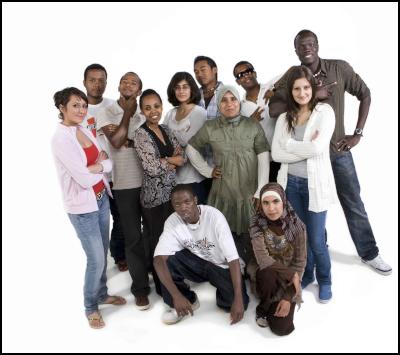
30,000 refugees in Auckland alone are remaining at the bottom of the heap, with poor education levels and a long-term reliance on Government handouts.

Jonathan Coleman said in a speech at the Refugee Forum in June that the Government's new approach aimed to reduce the high dependency that refugees had on the state. But what will that look like in real terms? What are the issues facing refugees in this country?

New Zealand continues to accept its responsibility in this area. New Zealand resettles an average of 750 quota refugees per annum referred by the United Nations High Commissioner for Refugees (UNHCR). But with those sorts of numbers arriving annually the need to have them move from dependency on the state to independence is continuing to grow.

The programmes and support offered to refugees have to focus on their needs as individuals. Often times refugees arrive unskilled, with horrific experiences in their past. Often the result is poor self-esteem, negative self-image and lack of drive. But with targeted language programmes, support in finding work and assistance in intergrating into the wider community there is hope them and their offspring.

Often times the pressure on these groups does not come from lack of support from local and central government but is rather that emanating from the wider community. Not everyone is as accommodating as they should be. With a little more patience, tolerance and understanding from all of us many more refugees will make the successful transition from dependence to independence.

Further reading:

Exhibition:
The Mixing Room: Stories from young refugees in New Zealand@TePapa

Child Protection Training Programme adds new dates

  • South Auckland – 18-22 July
  • Central Auckland 25-27 July
  • North Shore 7-11 November
New Zealand is one of the only OECD countries that does not have mandatory child protection training for people working with children. Many of the key people in NZ working with children have not had sufficient training in knowing how to identify suspected child abuse and act confidently. Professional training in child protection WILL make you more effective in keeping children safe

"Urgent measures" needed to deal with discrimination against children

The "staggering" rates of child abuse and poverty in New Zealand have been condemned in a United Nations report that calls for the Government to better recognise children's rights.

The provision ‘state’ makes for children, even Pacific and Maori, IS significant. I feel we have talked about this before. Parental responsibility is the key here. There are centres and provision for children within each community, parents need to ‘go ask’ and ‘go look’.

Perhaps that should be the slogan for the next Ad campaign ‘GO ASK, GO LOOK’

There were two comments under the article that struck a chord with me. With no way of getting in touch with the commentators I simply reference the article they are associated with and the name they left.

Brazil's "Statue for the Rights of the Child and Adolescent" law was based on this woolly line of international PC reasoning, and sets the age of criminal responsibility at 18. The results of this brilliant piece of legislation were predictable and immediate - as teenagers became more and more involved in the gangs and serious criminal activities, the murder of minors in Rio de Janeiro state more than doubled in the five years after the 1990 introduction of the law compared to the five years before. Now the megacities such as Rio and São Paulo are literally being terrorised by youngsters to whom the law affords a privileged status - such as the 14 year old boy who was recently arrested in São Paulo for car theft - for the 16th time (his parents begged the state to intervene when he was aged eleven, after his ninth offence, but the law would not allow it). Paul Cull#16

In Mexico, they decided that the best way to move people out of lower groups was education. So they made part of the benefit dependent on your child achieving at least 85% attendence at school for the year. As well as this, mothers got more cash for going to pre-natal and post-natal doctors visits.
Both of these have led to an increase in health and education amongst the poor in Mexico. So why not do it here? Lee   #13
What do you think the answer to solving the child provety issue is?